Security Document Technology
Comprehensive solutions for the production, personalization, and security of high-value documents.
KEIT combines laser processing, precision marking and encoding technologies for secure documents and industrial products. Our expertise covers passport and ID personalization, product identification and traceability, and security features designed to support authenticity verification. Explore how these technologies are applied to different materials, document formats and production requirements.
Comprehensive solutions for the production, personalization, and security of high-value documents.
Pre-personalization, MRZ encoding, laser perforation, and inline quality control
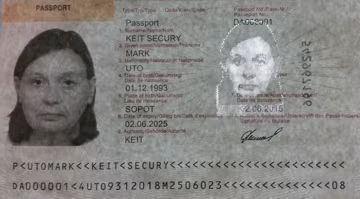
KEIT’s passport numbering technology ensures high security, traceability, and durability of Machine Readable Zone (MRZ) and document numbering. The process can be implemented using inkjet printing, laser engraving, or impact (letterpress) numbering, including patented laser perforation techniques for enhanced security. Additional protection can be achieved through encrypted marking and code-from-material features, making counterfeiting significantly more difficult. This technology is applied in high-security document production for institutions such as the Austrian State Printing House (OSD), American Banknote, and the Security Printing Press – Oman.
KEIT’s passport personalization technology combines laser perforation and/or laser engraving, as well as our patented encrypted marking for face image perforation. This integration delivers one of the most secure solutions for travel documents worldwide. The technology is in operation for Cyprus passports and is also utilized by Bundesdruckerei – Germany, ensuring the highest levels of security and durability in different national implementations. It is compatible with both fully automated and manual personalization systems.
High-precision laser perforation and encrypted marking for banknotes.
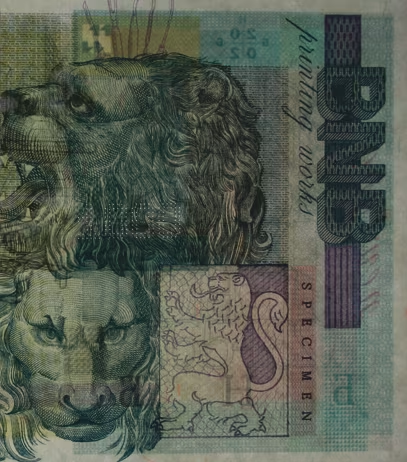
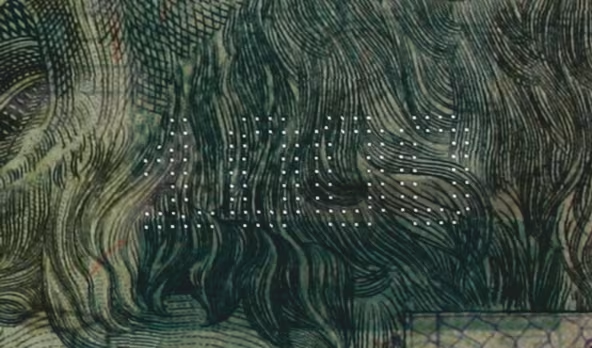
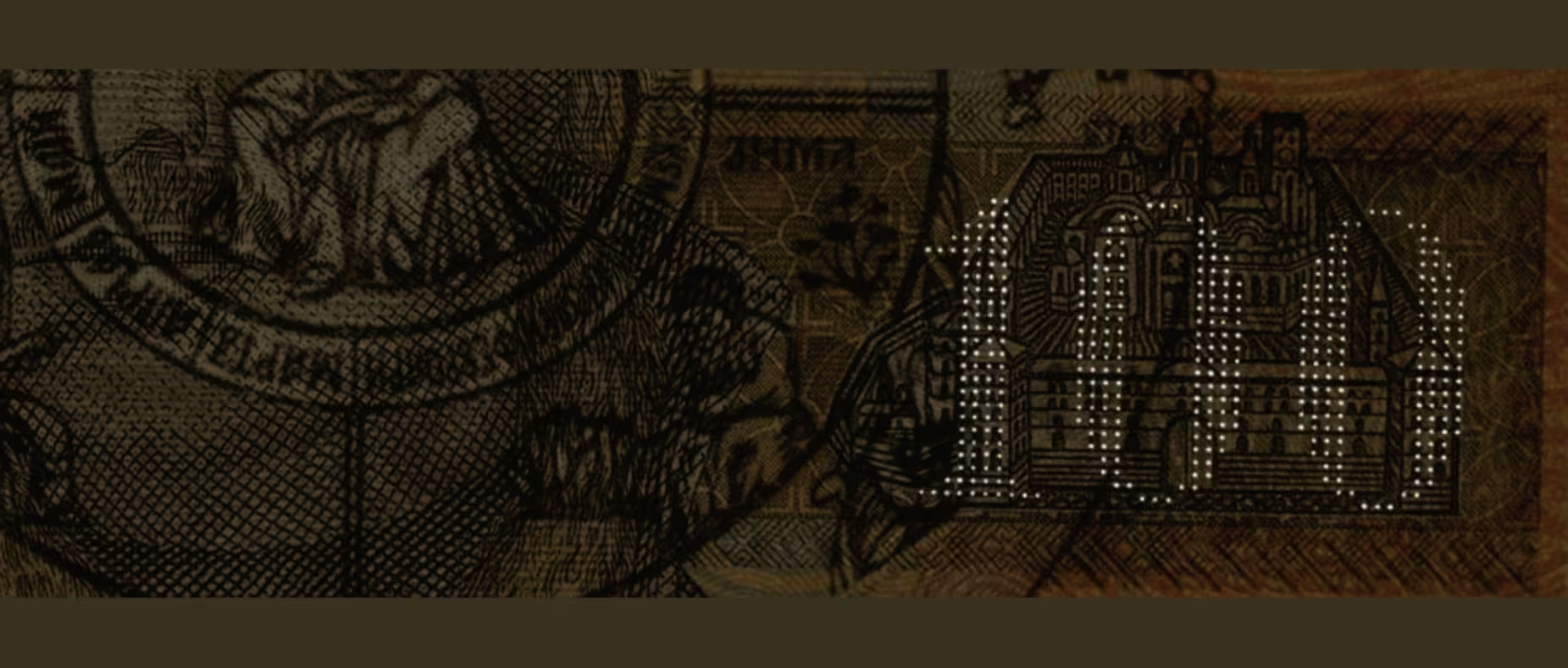
Our patented micro-perforation technology uses high-precision laser systems to produce dense matrices of uniform micro-holes with extremely tight dimensional tolerances. The process ensures long-term stability of the marking without compromising the printed design of the banknote. Micro-perforations are engineered for both visual inspection under standard lighting and reliable detection by automated verification equipment.
Laser-perforated security features are precisely registered to the banknote’s intaglio and offset printing elements. This optical integration creates complex, design-embedded patterns that are inherently resistant to counterfeiting. By embedding the perforations into existing graphic structures, the security element becomes a functional part of the artwork, maintaining visual coherence while adding a high level of protection.
All banknotes produced with our laser perforation undergo strict inspection protocols. Statistical quality control, combined with sample retention workflows, ensures each perforation meets exact specifications for position, geometry, and edge quality. Inspection data can be archived for compliance verification and forensic examination, supporting consistent performance in circulation and automated handling systems.
Laser perforation and encrypted image protection for visas.
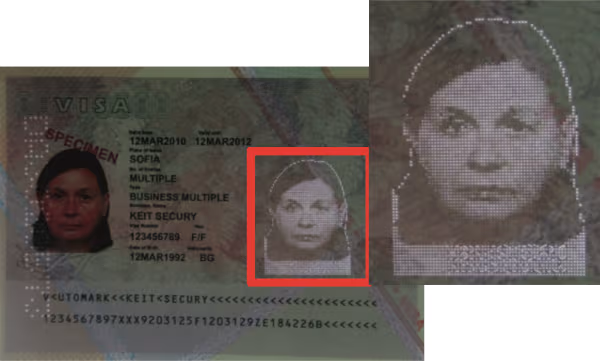
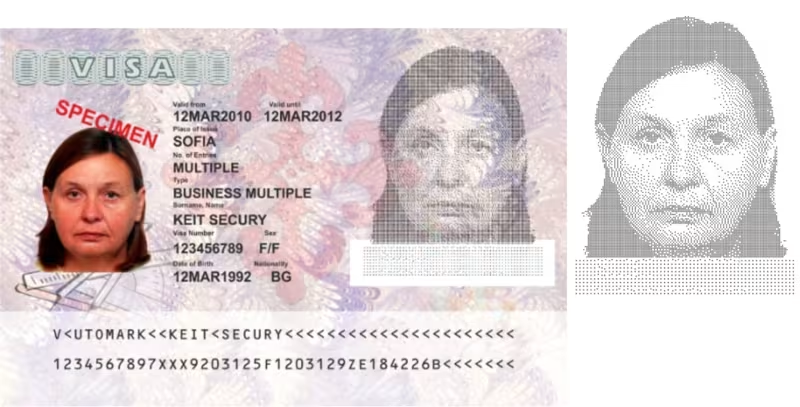
KEIT’s laser perforation technology embeds high-precision micro-holes and unique serial numbers directly into the visa substrate. Combining face image perforation with laser numeration ensures tamper-proof identification and prevents transfer of the visa sticker to another passport. The system is compact, with integrated filtration for secure office operation.
Encrypted face image printing adds an additional security element during visa personalization by encoding the holder’s portrait into a secure digital pattern. This prevents data manipulation and forgery by ensuring that any alteration to the visa sticker renders the encrypted image unreadable, while remaining fully compatible with existing personalization systems.
Laser perforation and encrypted image protection for ID documents.
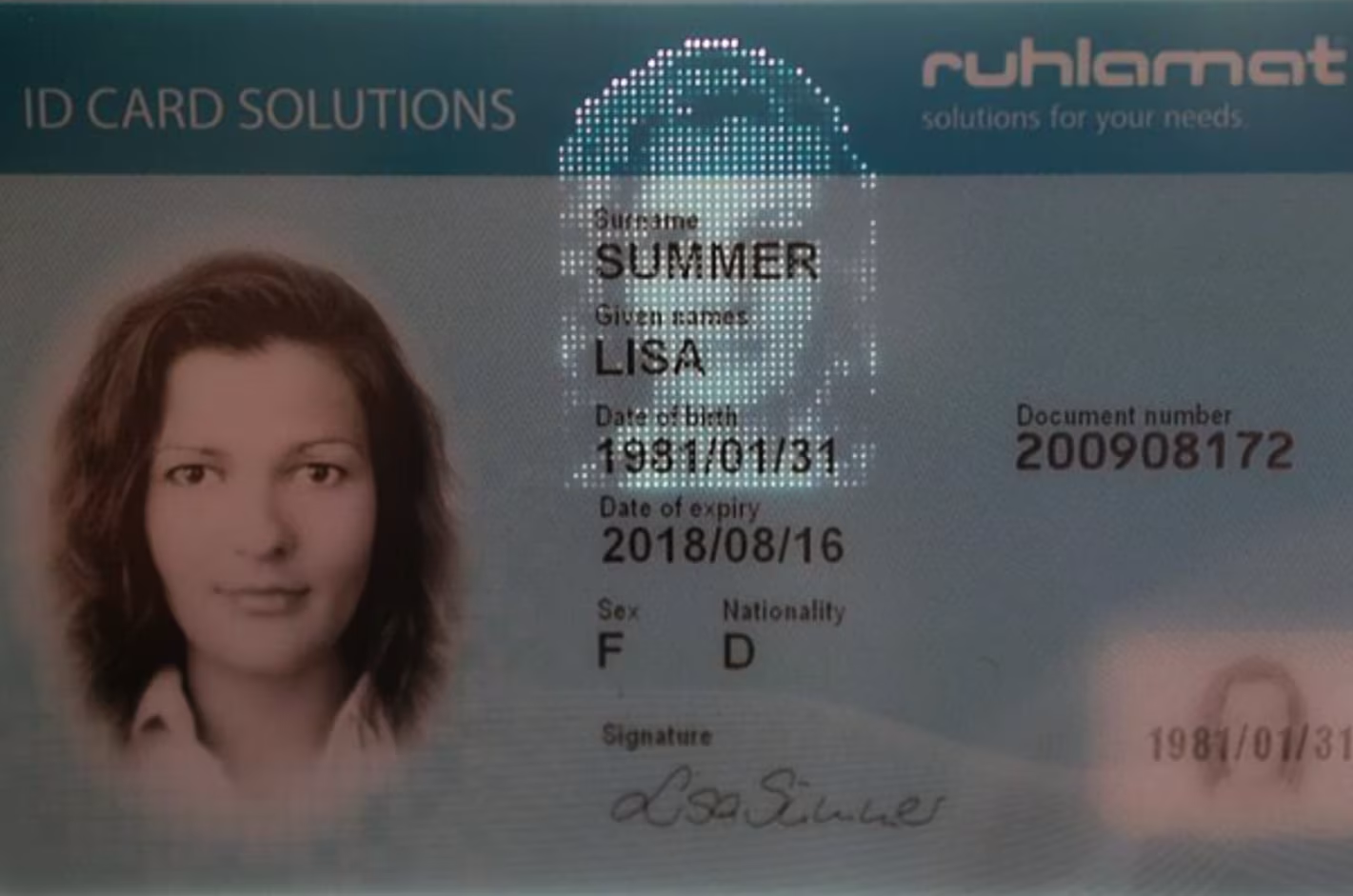
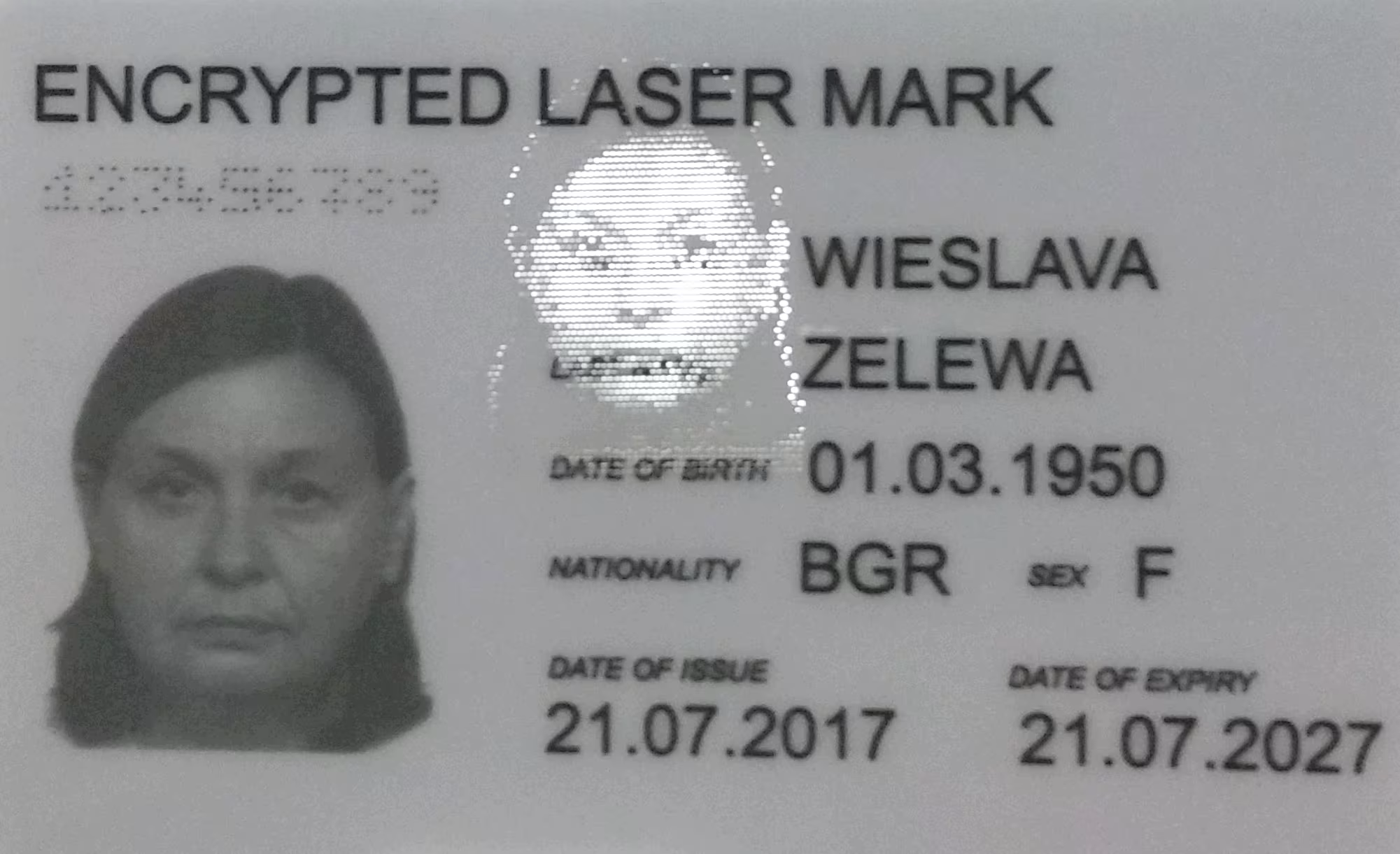
Laser perforation technology enables the creation of high-resolution images and unique patterns directly within the ID card substrate. This method ensures durability, resistance to tampering, and easy visual verification without additional equipment. By integrating face image perforation, authorities can embed a secondary portrait that is impossible to remove or alter without destroying the card, providing strong protection against forgery.
Our patented encrypted face image feature embeds a covert secondary portrait into the card’s structure, only visible with specialized verification tools. This security layer makes manipulation or duplication extremely difficult, as any attempt to alter the card would compromise the hidden image. Widely adopted in high-security applications, including Cyprus and German-issued documents, this technology ensures reliable authentication and long-term document integrity.
Tailored anti-counterfeit features for specialized documents.
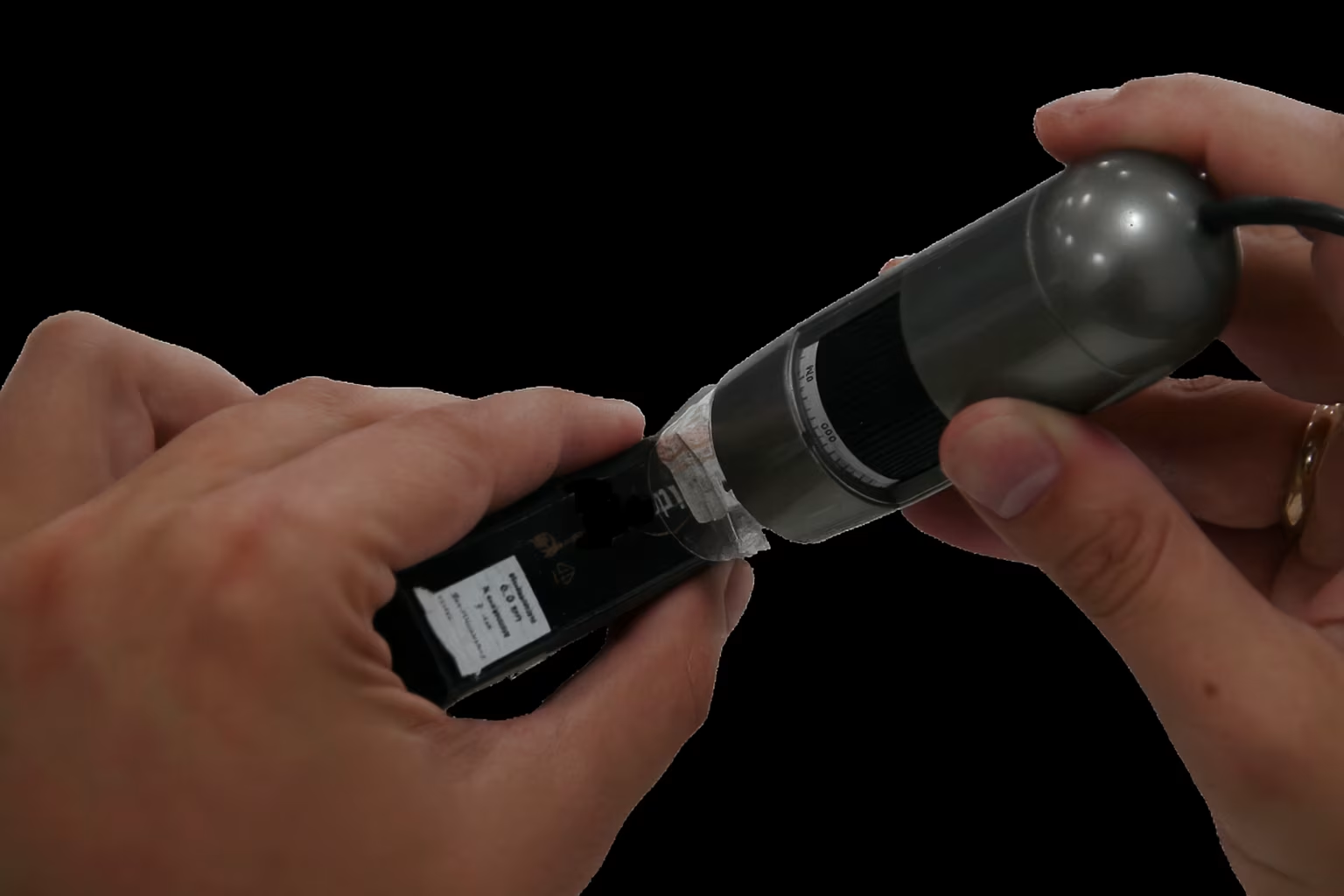
Can be applied using any standard printing technology, with no dependency on the background image – it can take the form of a logo, sign, code, or serial number. Customers define their own encryption algorithms, enabling multilevel encryption with more than one unique code per tax stamp. The marking is durable, reliable, and easily authenticated using smartphones or dedicated verification devices, making eTax stamp implementation straightforward and secure.
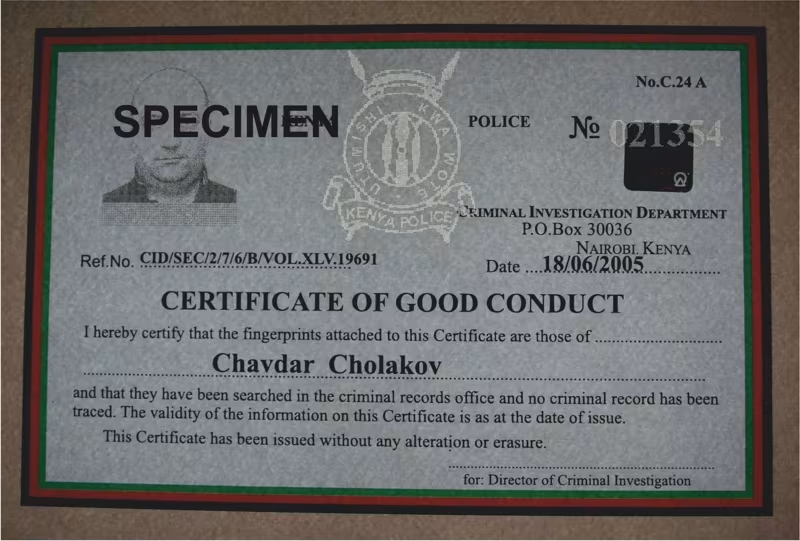
Applied through laser perforation or standard printing methods (inkjet, laserjet, etc.), this feature embeds a face image or graphical element (logo, symbol, or coat of arms) directly onto the certificate. It protects critical data and the portrait against manipulation and forgery. The marking is durable, reliable, and easily authenticated using smartphones or dedicated verification devices.
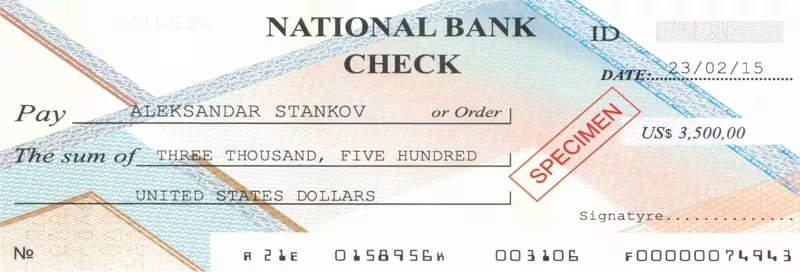
Printing a serial number or graphical element containing encrypted information related to the cheque’s critical data – such as its amount – provides strong protection against alteration and forgery. The marking is durable, reliable, and can be easily authenticated using smartphones or dedicated verification devices.
Reliable, high-contrast coding for production lines across materials and industries.
Batch IDs, barcodes and unique marks across substrates.
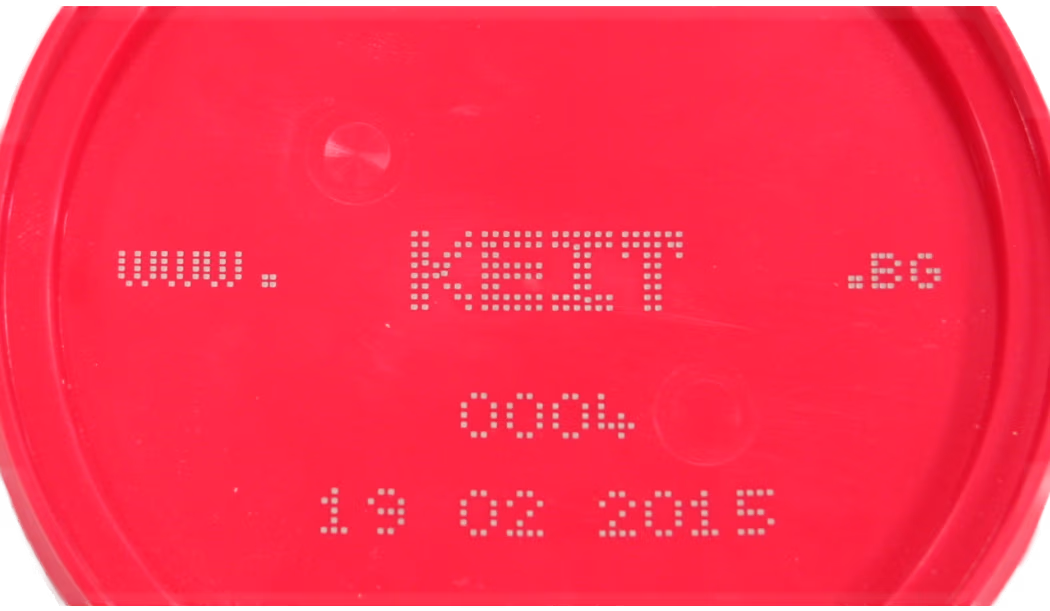
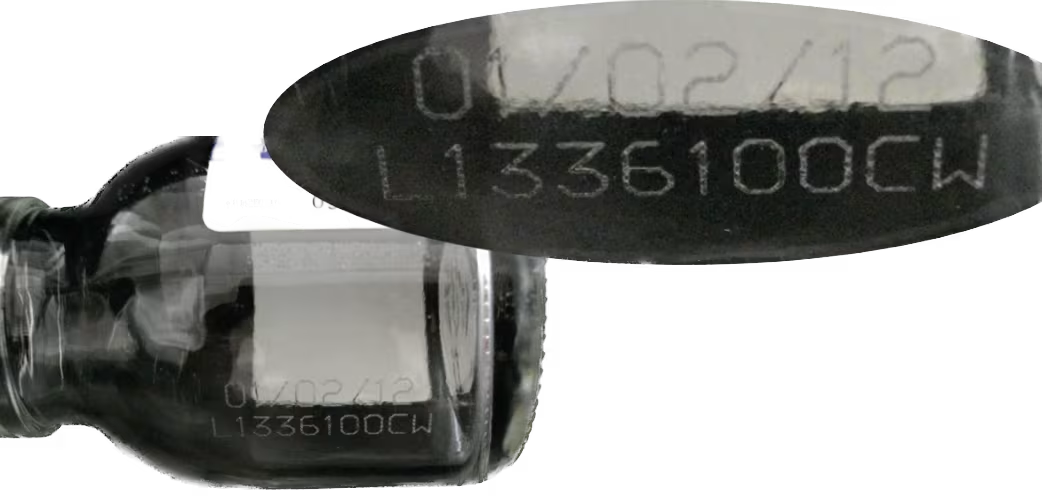
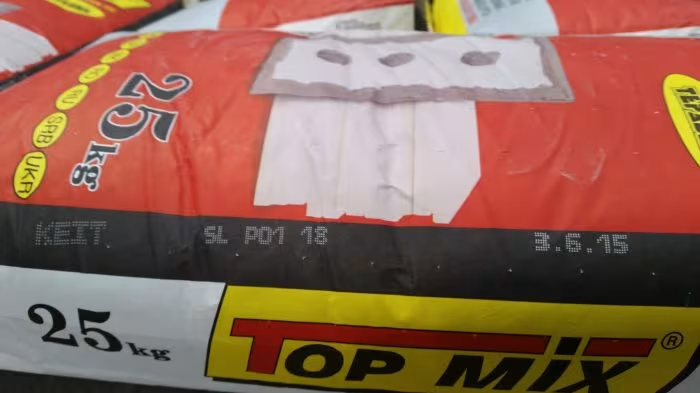
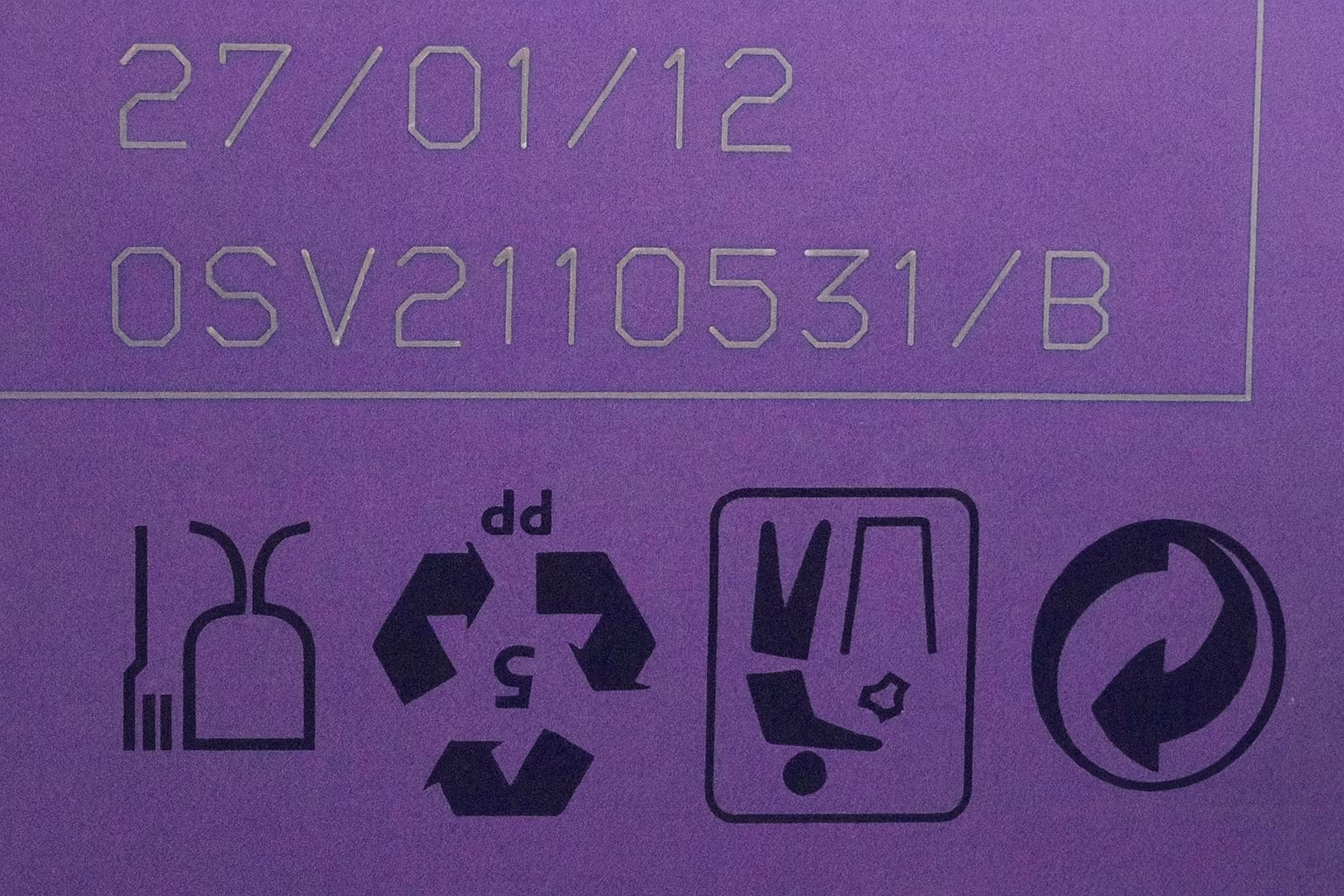
At KEIT, we utilize advanced dot matrix laser technology to deliver consistent, high-precision codes. Every mark is optimized for long-term legibility, even in demanding production environments, ensuring compatibility with high-speed inspection and tracking systems.
Our direct laser engraving solutions create permanent, high-contrast markings without the need for consumables. The process guarantees resilience against abrasion, UV exposure, and chemical impact, making it ideal for industrial and security-critical applications.
KEIT’s marking technology is designed to work on virtually any material – from flexible packaging to dense industrial surfaces. Regardless of texture, color, or composition, we ensure every code or graphic is precise, durable, and easy to verify.
We apply vector-based laser marking to produce intricate designs, text, and identifiers on a variety of surfaces. This method ensures crisp definition and lasting durability while maintaining full material integrity.
Tamper-evident seals with secure IDs and auditability.
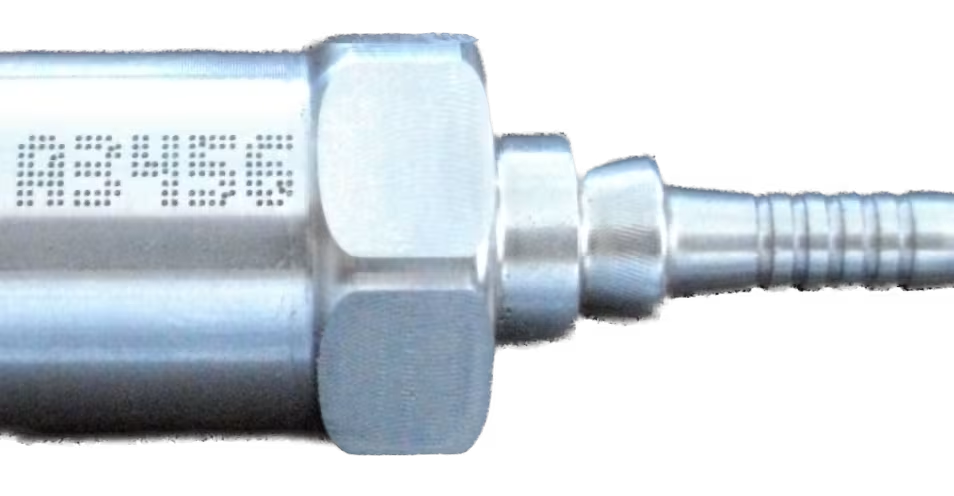
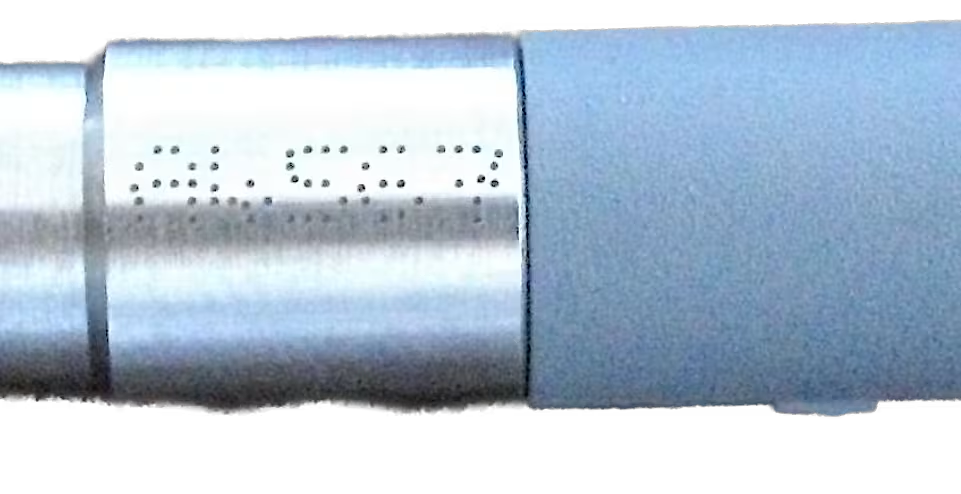
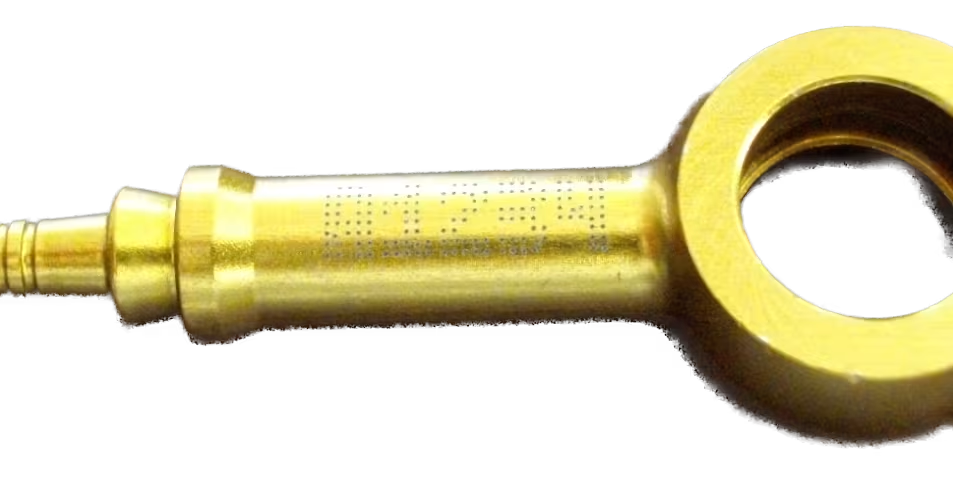

KEIT utilizes high-power industrial laser systems to create permanent, high-contrast markings directly on the component surface. The process ensures dimensional stability of the part while providing long-term resistance to wear, abrasion, and harsh industrial environments.
Through advanced dot matrix laser coding, KEIT delivers uniform, high-resolution alphanumeric and graphic markings, even on cylindrical or irregular surfaces. The method guarantees code readability for automated vision systems used in quality control and traceability.
KEIT’s vision-assisted marking systems allow for precise alignment and positioning of codes, even on complex geometries. Integrated pattern recognition ensures that each marking is placed accurately, enabling automated matching with production records and minimizing human error.
Combining encrypted marking technologies with precise material coding, KEIT offers a closed-loop security solution for industrial parts. This ensures full traceability from manufacturing to end use, while preventing unauthorized duplication or counterfeit replacement.
Covert features, encrypted marks and field verification.
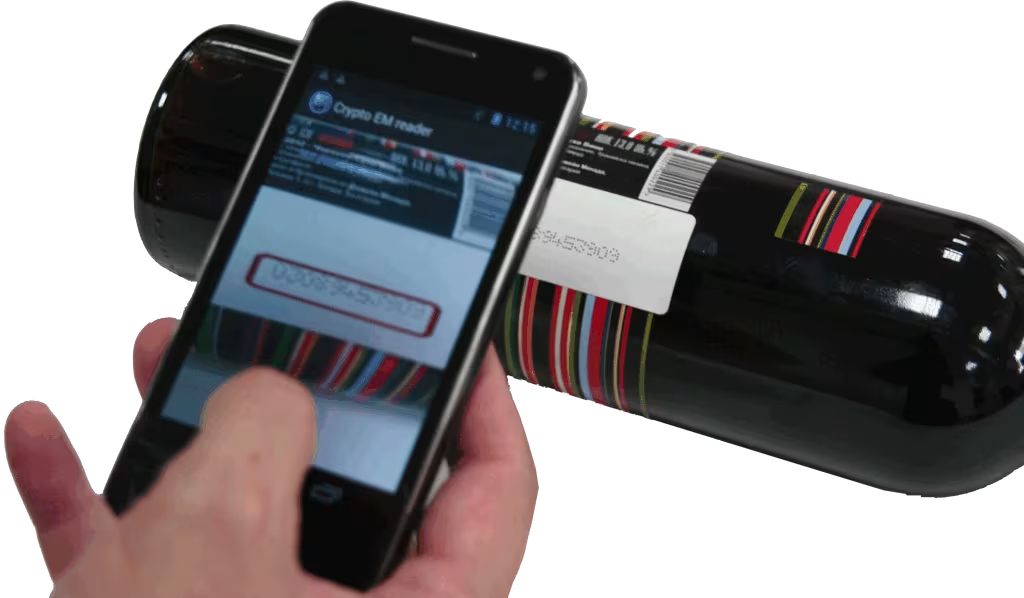
In a complex global supply chain, product and brand integrity depend on reliable, tamper-proof identification. KEIT develops and integrates advanced security features such as encrypted marking, encrypted logos, material coding, and serialized encrypted numbering. These technologies enable full traceability and authentication at every inspection point – from manufacturing to end-user. Continuous investment in R&D ensures our solutions remain robust, adaptable, and cost-effective, protecting both products and reputation across industries.
From laser subsystems to motion control, QC, assembly and end-of-line automation.
High-precision cutting modules for secure substrates.
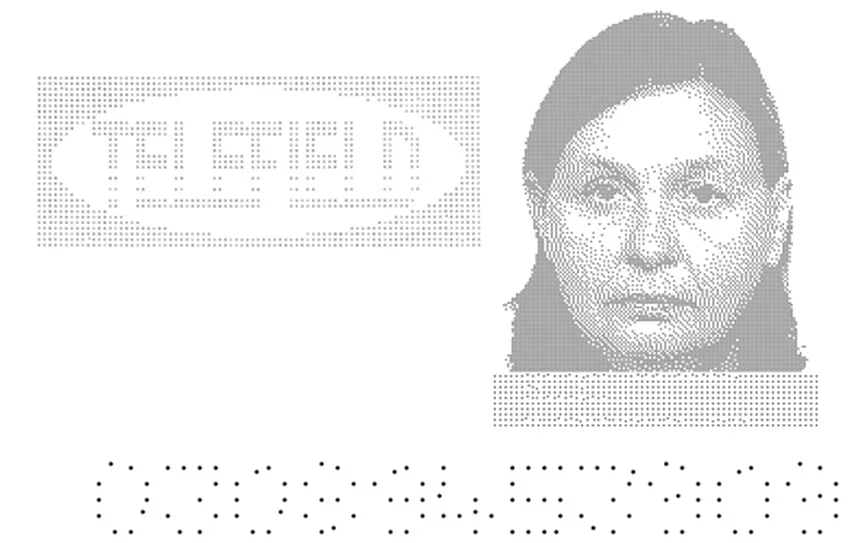
Encryption is applied by random modulation of selected elements within a visible image – such as a logo, serial number, coat of arms, or portrait. Each encrypted mark is generated with a unique algorithm, ensuring that no two are identical. The technology has been evaluated in Germany for embedding confidential or classified information, making it resistant to unauthorized reading or interpretation.
Engraving, perforation and coding with integrated optics.
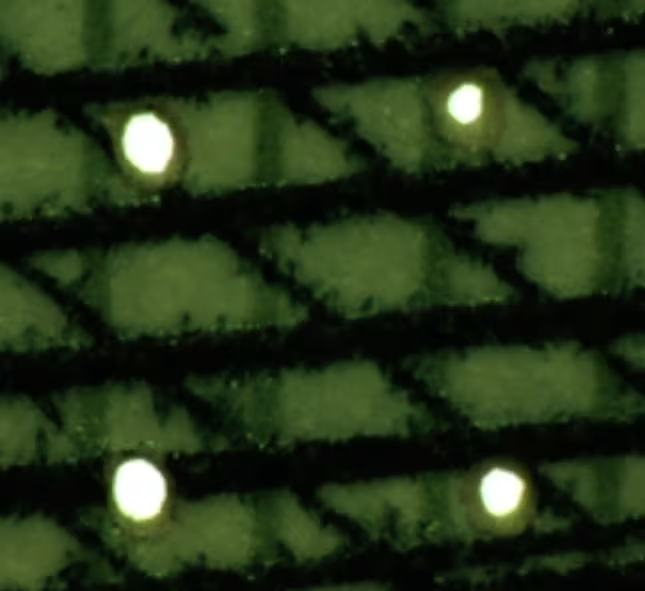
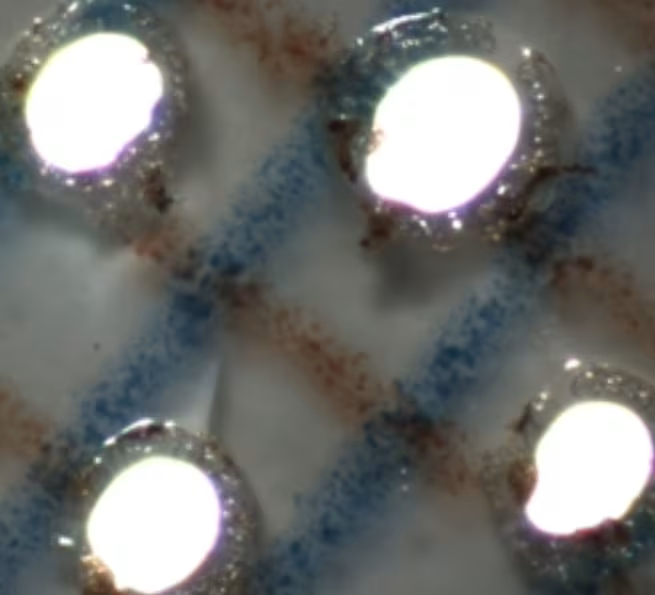
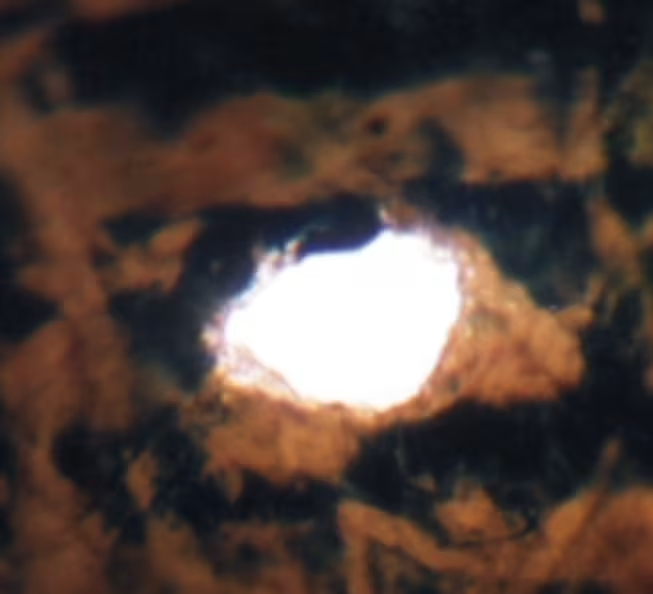
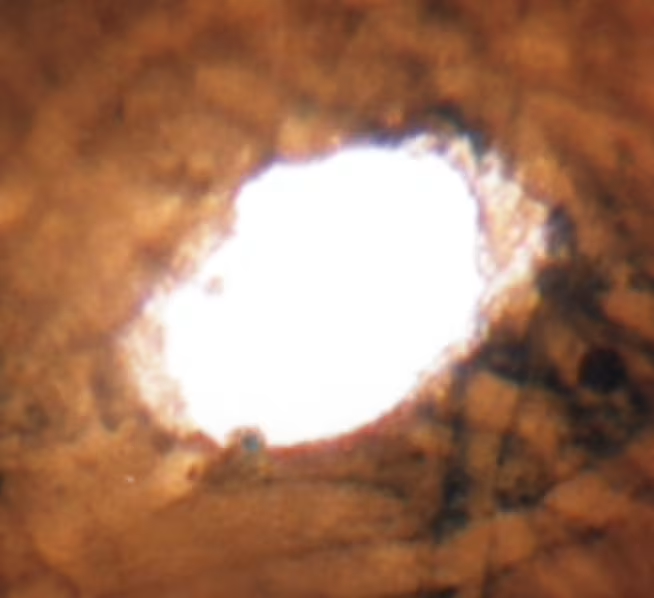
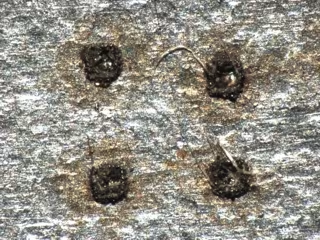
Every material inherently contains microscopic patterns formed during production. By analyzing these structures, our system generates a natural identifier that cannot be replicated, even if the same raw material is used in multiple production runs.
A precise optical capture system records the surface microstructure around a defined reference point on each product. This image serves as a permanent, tamper-proof digital signature of the item.
Captured structural patterns are stored in an encrypted database, linked to the product’s unique ID. This ensures that verification processes can be executed quickly and securely anywhere in the supply chain.
This technology can be implemented on virtually any material — from paper and plastics to metals and composites — making it suitable for applications across documents, industrial products, and consumer goods.
Products can be authenticated through direct comparison (1:1) or database-wide search (1:N), with high accuracy even under industrial inspection speeds.
Module integration for specialty inks and secure patterns.
Laser perforation technology creates a holder’s portrait using precisely aligned micro-holes, visible when the document is backlit. The process preserves the original card design and allows integration with other security features for maximum protection.
A unique combination of image encoding and micro-perforation ensures that each portrait is encrypted with a specific algorithm. This prevents replication and makes counterfeiting extremely difficult, even with advanced reproduction technologies.
Laser perforation technology creates a holder’s portrait using precisely aligned micro-holes, visible when the document is backlit. The process preserves the original card design and allows integration with other security features for maximum protection.
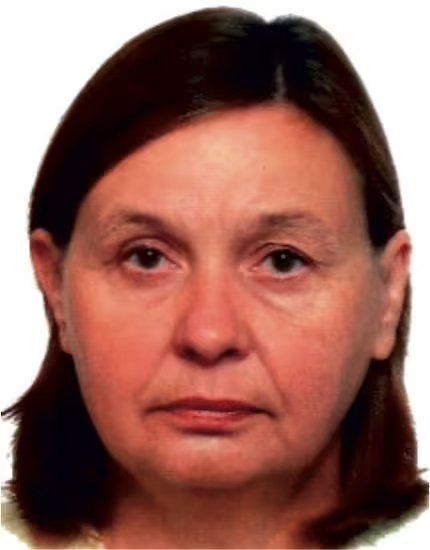
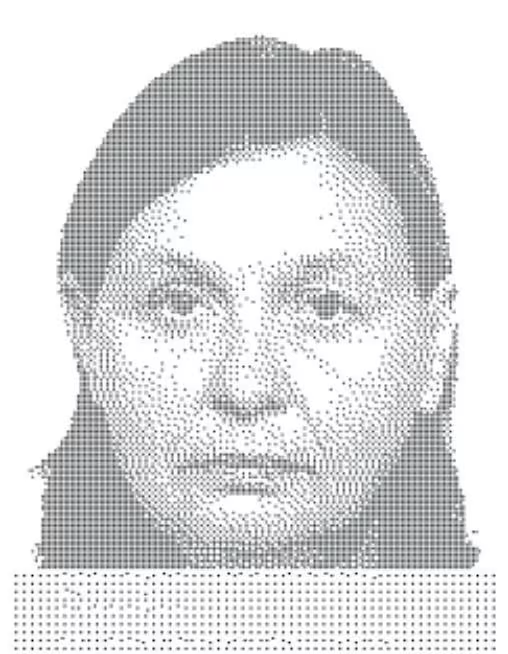
A high-resolution facial image is transformed into a precise matrix of laser micro-perforations, embedding encrypted biometric identifiers, personal information, and document-specific data such as serial numbers and validity dates. This integration makes the portrait simultaneously human-readable and machine-verifiable, enabling rapid authentication while ensuring that any attempt at alteration becomes instantly detectable.
Material handling, feeders and end-of-line systems.
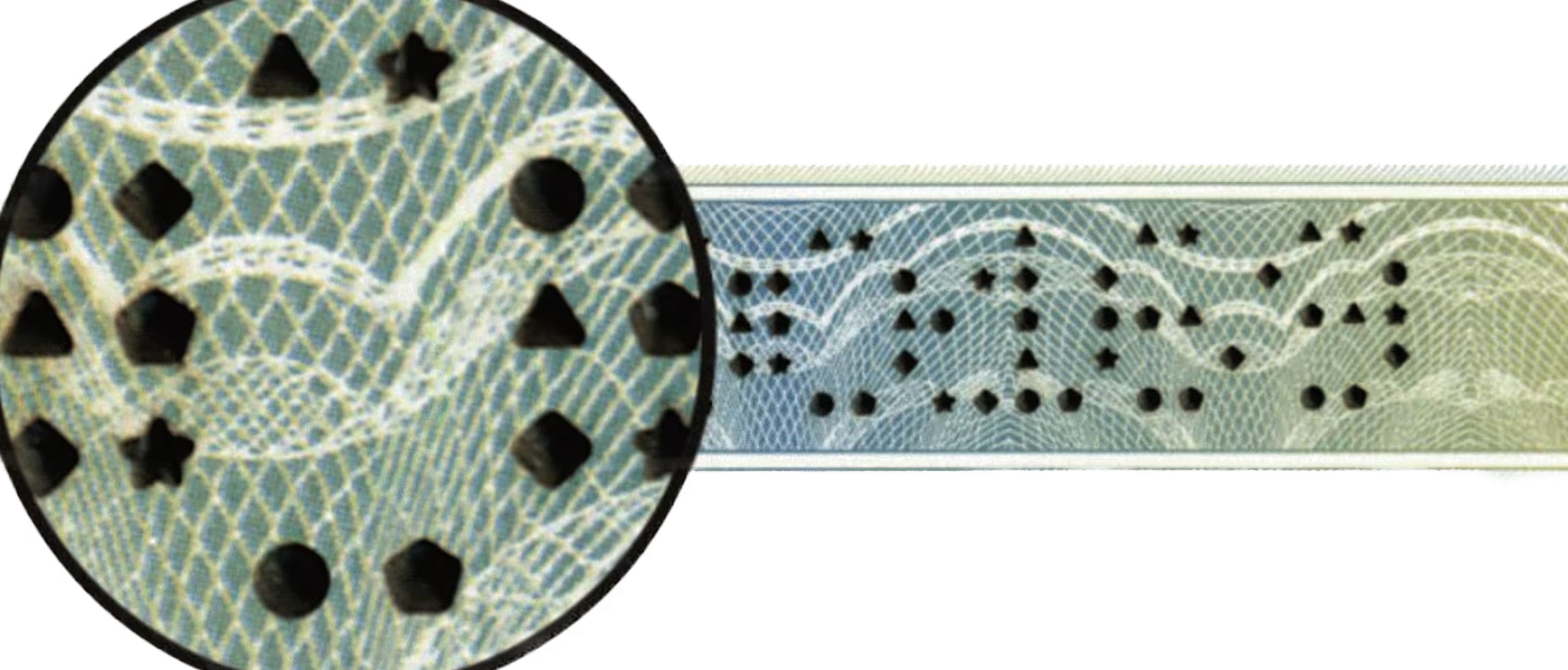
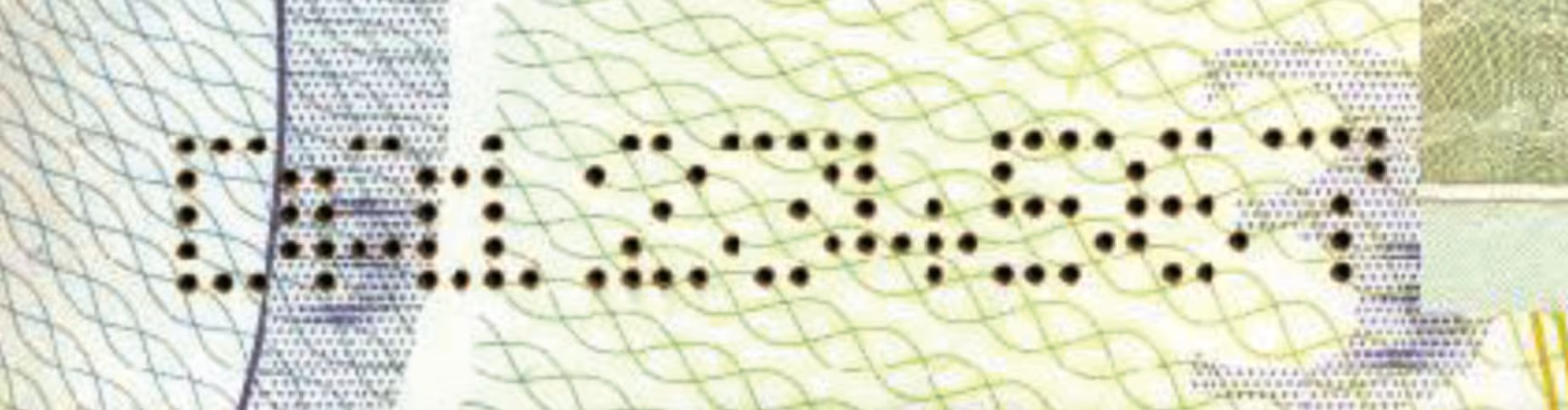
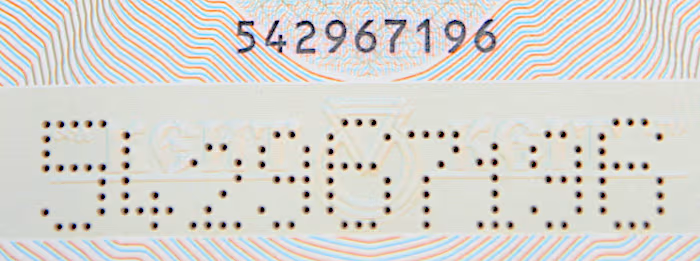
Small holes are laser perforated through the document to form a unique, legible number. It can be easily used as a first level of inspection, since the laser perforation personalizes a document and can be quickly cross-checked with the printed number.
The laser numeration security feature can also be used to secure other elements on the document, such as holograms, preventing the possibility of reusing them for forgery. This ensures that both the document and its embedded features remain tamper-proof.
Laser numeration can be additionally improved with our patented encrypted marking, or customized with different shapes of perforation holes. This feature can protect any type of document such as passport, banknote, visa, or ID card, and can also be applied in brand protection for products with numbering.
Pick-and-place, inspection and collaborative cells.
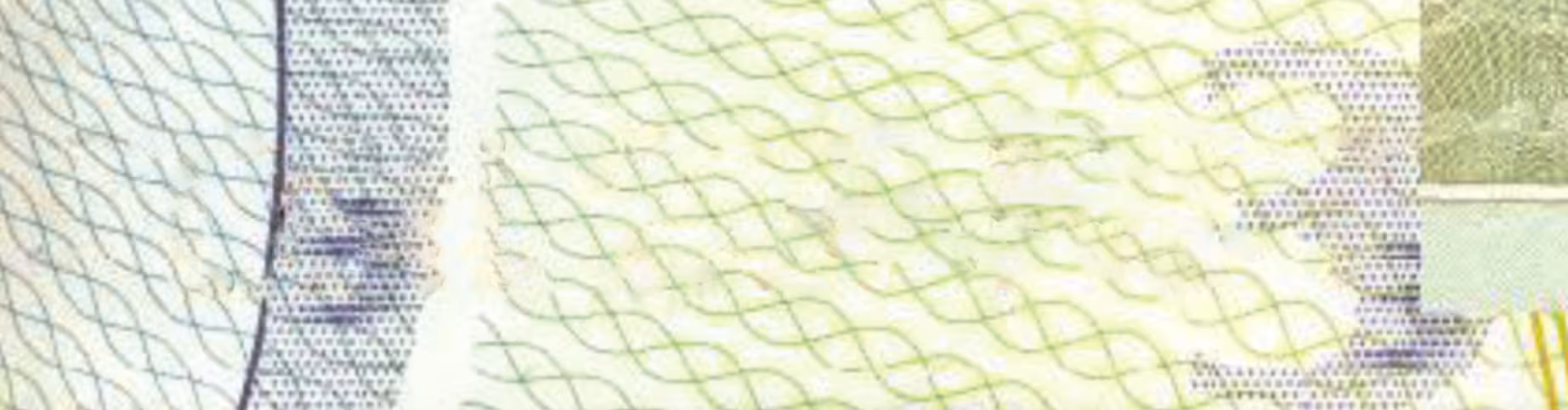
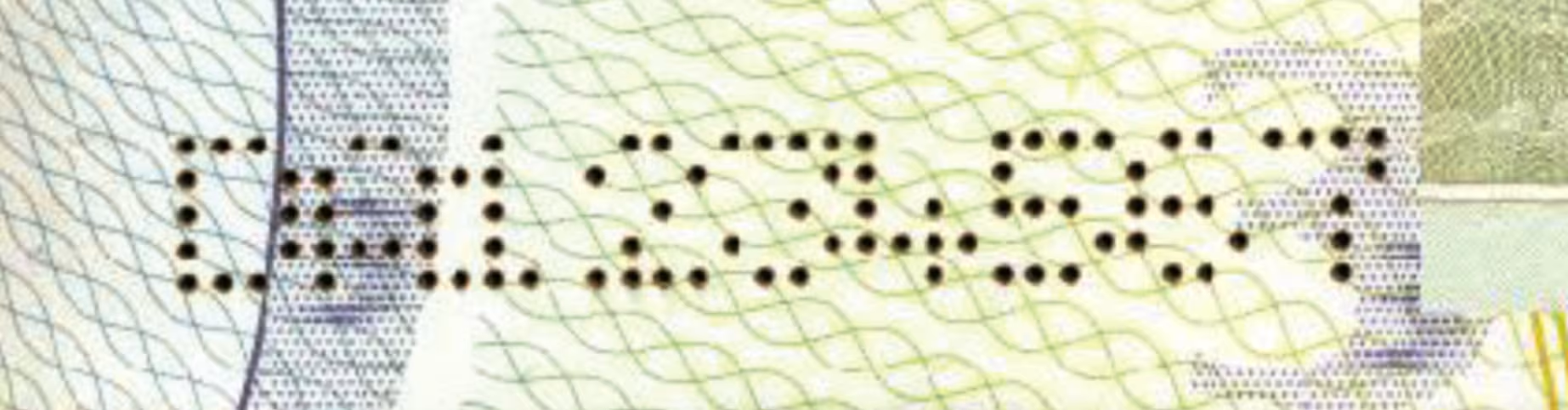
Any sequence of letters and digits can be transformed into a secure, encrypted mark. Independent of the font style or application method — whether laser perforation, laser engraving, or printing — the result ensures authenticity and protection.
Module assembly lines with traceability.
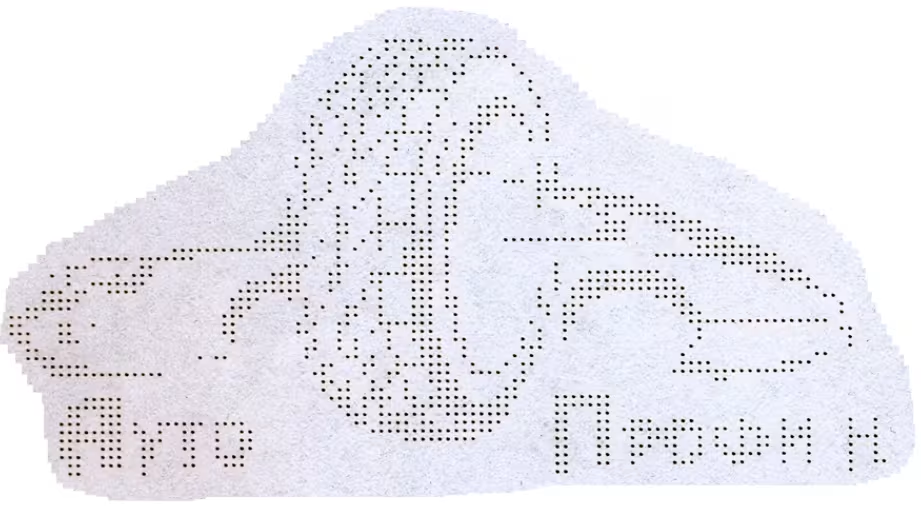
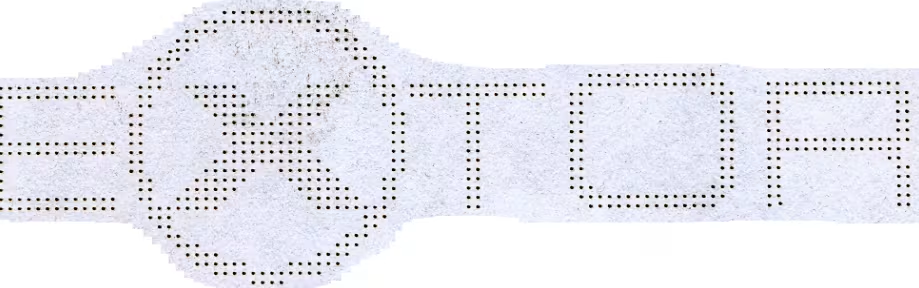
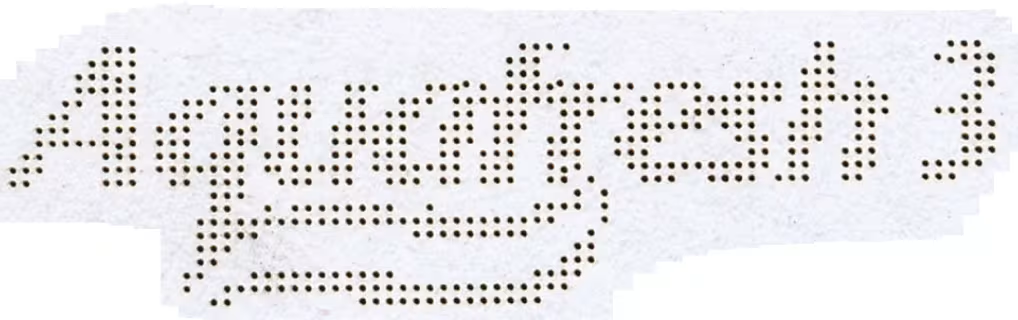
Small laser-drilled holes are arranged into a precise pattern, forming company logos, national emblems, or any custom design. The perforation remains clearly visible under different angles and lighting, making it a reliable first-level inspection feature without the need for special tools.
Logo perforation can be enhanced with our patented encrypted marking technology, where each hole position can carry hidden data. This method works not only for logos but also for unique, fully customized patterns, adding a strong layer of anti-counterfeit protection.
Whether it’s a corporate logo, a national symbol, or a fully custom artwork, laser perforation can be applied to a wide range of surfaces — from secure documents to product packaging and other materials. It combines visual identity with advanced security to protect both items and brands.